
Yard Prep for a New Fence: 6 Steps Before Installers Arrive
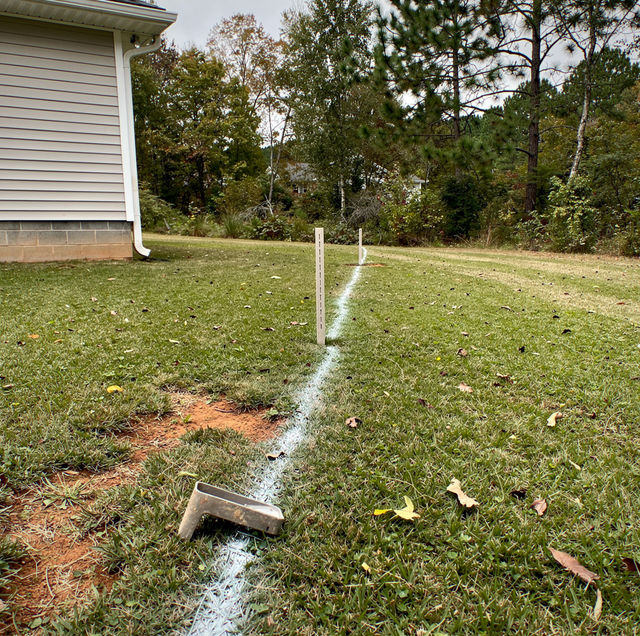
A fence crew works fastest when the yard is already telling them where to go. Posts land exactly where the property line runs, an auger never hits a buried cable, and nobody stops mid-morning to move a stack of firewood off the fence line. None of that happens by accident. It happens because someone did a handful of things in the days before the crew showed up, and those same handful of things are almost always what separates a one-day install from a job that stalls out waiting on a delivery, a locate, or a dog that will not stop getting loose.
Most of yard prep is not physical labor. It is information and access: knowing exactly where the line sits, knowing what is buried under it, and clearing a path so the crew can work without guessing. Get those pieces lined up ahead of time and the actual install day is short on surprises.
Quick Answer: Preparing a yard for a new fence means confirming the exact property line, calling 811 for a utility locate before any digging, clearing brush and obstructions along the fence path, checking HOA or permit requirements, planning where pets and vehicles go during the work, and flagging any low or soggy ground so the crew can plan around it. Handle these before install day, and the crew can move straight to digging instead of stopping to sort out a surprise.
Why the Line Itself Comes Before Anything Else
Every other prep step assumes one thing is already settled: exactly where the fence is allowed to go. A fence set a foot or two onto a neighbor's property does not just cause an awkward conversation. It can mean tearing out posts and concrete and starting over, at real cost in time and materials. A fence set well inside your own line, meanwhile, quietly gives away yard space you paid for.
Locate your actual property corners: A plat map or survey, often available from the county recorder or included in your closing paperwork, shows the legal boundary with measurements from a fixed reference point. Old wooden stakes, a rusted pipe cap, or a survey nail in the ground can mark a corner, but fences, hedges, and even a neighbor's shed are not reliable evidence of where the line actually falls, since plenty of existing landscaping was placed by guess rather than survey. If corner markers are missing or the property has changed hands more than once, a licensed surveyor can re-establish the corners for a modest cost, and that cost is far smaller than moving a completed fence.
Once the corners are confirmed, mark the intended fence path with stakes and string or spray paint so the crew sees the same line you agreed on.
Talk to the Neighbor Before the Stakes Go In
A shared boundary means a shared interest in where the fence sits. A quick conversation before digging starts heads off disputes later, especially if the new fence will sit close to a shared driveway or a tree with roots crossing the property line. This is a practical courtesy, not a legal step.
Call Before You Dig: The Utility Locate
Every post hole is a hole dug blind unless something has told the crew what is underground first. Gas lines, electrical conduit, water and sewer service, and cable or fiber lines often run closer to the surface than people expect, and a fence line frequently crosses right where a utility company buried a line decades ago to reach the house.
Call 811 several business days before digging: The number connects to a free national locate service that notifies the utility companies serving your address. Each company sends someone out to mark their lines with flags or spray paint, usually within a few business days, though rules on exact timing vary by state. Skipping this step is not a shortcut; it is a real safety risk: hitting a gas line can cause a leak or explosion, and hitting an electrical line can be fatal. It can also mean an expensive repair bill if the damaged line belongs to a utility company rather than a private one.
Beyond the public utilities, mark anything private yourself: a low-voltage yard lighting line, a buried dog fence wire, an irrigation line, or a septic tank and drain field. Public locate services only mark utility company lines, not homeowner-installed wiring, so that needs to be flagged by hand.
Clear the Fence Line of Vegetation and Obstructions
A fence line thick with brush, roots, and debris slows down layout and digging, and buried obstructions can turn a routine post hole into a fight with an auger. Walking the planned line a week or two ahead and clearing it saves the crew time that would otherwise come out of the schedule.
- Cut back brush, vines, and low branches along the full path, not just where posts will land, since panels and rails need clearance too.
- Remove or relocate anything sitting in the path, storage sheds, wood piles, potted plants, decorative borders, so nothing has to be moved mid-install.
- Flag old stumps, buried roots, or leftover concrete footings from a prior fence, since these are common causes of a stalled auger and sometimes need to be dug out or ground down before new posts go in.
- Note any slope or drainage swale crossing the line, since a fence built across a low spot may need the panels racked to follow the grade or a gap left at the bottom for water to pass.
Old fence removal is its own step: If an existing fence is coming out first, plan for that debris, old boards, wire mesh, and broken concrete footings, to be hauled away before the new line goes in. Leftover footings, in particular, can eat up significant time if a crew has to break them out post by post rather than find clean ground to dig.
Check HOA Rules and Permit Requirements Early
Height limits, approved materials, and setback distances from the property line vary by jurisdiction and often vary further within a homeowners association. Submitting plans or getting a permit application moving before the crew is scheduled avoids a delay where materials sit staged in the driveway while paperwork clears. Check with your HOA and local permitting office early in the process, well before a delivery truck is booked, since some approvals take longer than a homeowner expects.
Plan Around Pets, Kids, and Vehicles During the Work
An install crosses several days once digging, curing, and hanging panels are counted, and an open yard with holes, tools, and a temporarily missing gate is not a safe place for pets or small children to wander unsupervised.
Set up a temporary containment plan: A crate indoors, a leash and stake in a fenced-off portion of the yard, or a day at a friend's house keeps a dog from bolting through a gap where the old fence used to be or investigating a freshly poured concrete collar before it cures. Cats tend to solve this themselves by staying inside, but a gate left open during a work break is worth double-checking regardless of which pet is involved.
Clear a path for the crew's vehicle and materials: A driveway or curb space for parking a truck and staging lumber, panels, or concrete bags saves the crew from hauling everything a long distance by hand. If the line runs along a shared driveway or a narrow side yard, confirm ahead of time how the crew's trailer will get in and out.
Read the Ground Itself Before Digging Day
Soil and drainage conditions do not stop a fence from going in, but they change how it goes in, and flagging them ahead of time lets the crew plan rather than improvise.
Point out any consistently soggy or low ground: A spot that stays wet after rain, or a swale that channels runoff across the yard, may need a different post-setting approach or a small gap at the bottom of the fence line so that standing water has somewhere to go rather than pressing against the panels. Heavy clay soil holds moisture longer than sandy soil, and either extreme, waterlogged clay or bone-dry hardpan, can slow digging on the day itself.
Weather plays a role here too, though it cuts both ways rather than favoring one season. Saturated ground after heavy rain can slump back into a freshly dug hole before concrete goes down, while a stretch of dry weather can bake clay hard enough to fight the auger. High winds are a concern for a crew handling tall panels, regardless of the time of year. None of this means picking a particular month to install. It means telling the crew what the ground has been doing lately.
A Fence Set Up Right Stays Set Up Right
Think of yard prep the way a foundation crew treats a job site before the first truck of concrete arrives: the survey stakes are already in the ground, the utilities are already marked, and the debris is already cleared, so the actual pour goes exactly according to plan instead of turning into a series of small emergencies. A fence line is a smaller version of the same idea. The work that happens before the crew's first post hole determines how smoothly everything after it goes.
A little planning here also protects the fence itself over the long run. A post set into ground that was properly graded and drained ahead of time settles less over the following seasons than one rushed into soggy, uneven soil.
Frequently Asked Questions
Most states require a minimum notice window before digging can legally start once the 811 request is submitted, typically a two- to five-business-day range, though weekends and holidays can push it out further. Locate marks are typically valid for only a limited window, often around 15 to 30 days depending on the state, so calling too far ahead of the actual install date can cause the flags to expire and the request to be resubmitted.
Even with an 811 locate completed, a private line, a homeowner-installed dog fence wire, an irrigation line, or old low-voltage yard lighting will not show up on the locate ticket, since public services only mark utility-company infrastructure. If a private line gets nicked, the crew stops digging at that spot, the line is capped or repaired, and work continues once it is safe, which is exactly why flagging private lines yourself ahead of time is worth the extra ten minutes.
Sometimes, if that section is structurally sound and its posts sit at a compatible depth and spacing for the new line. More often, a crew recommends replacing the whole run, since mixing an old, weathered section into a new fence tends to show as a visible color and spacing mismatch within a season or two.
Yes. Corner and gate posts carry more sideways load than a straight run of line posts, since a gate swings and slams against its hinge post thousands of times a year and a corner takes the tension of two fence directions pulling against it. Clearing extra working room around those specific spots and confirming the ground there is stable and well-drained matters more than for the mid-line posts.
A strip of dead or thin grass usually runs along the footprint of a removed fence, since the old panels blocked sunlight and rainfall for years. Raking it clear, adding topsoil, and reseeding after the new fence goes in is a cosmetic step that has nothing to do with the fence's structural install, but doing it early rather than leaving bare dirt keeps the yard from washing out along the new fence line during the first heavy rain.
Most crews prefer at least three to four feet of clear, walkable space for digging, staging materials, and mixing concrete. Less than that and a crew ends up working around parked cars, sheds, or dense plantings, which slows even a simple, level fence line.
Get a free on-site consultation before your next fence goes in — walk the line with a pro and know exactly what to clear first. The Fayetteville Fence Company LLC serves Fayetteville, Hope Mills, and Raeford. Call (910) 994-3634.
