
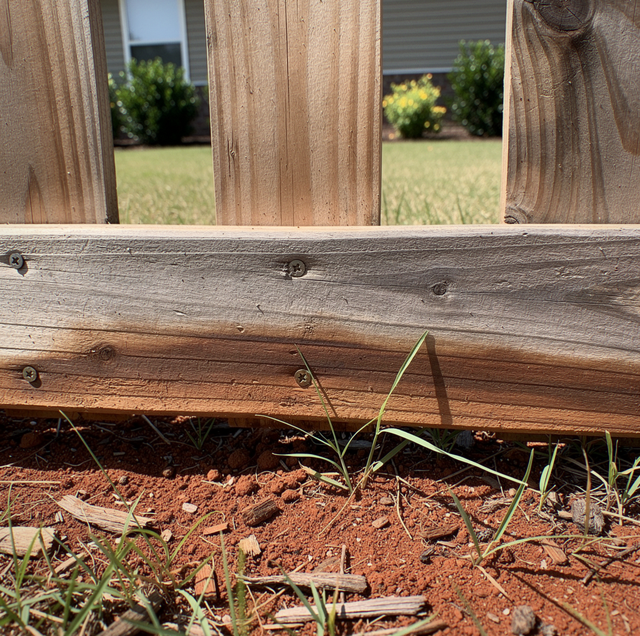
Rot Board on a Wood Fence: The Part That Rots First
Soil sits against the bottom edge of your fence, an inch or two up the face of the lowest board.
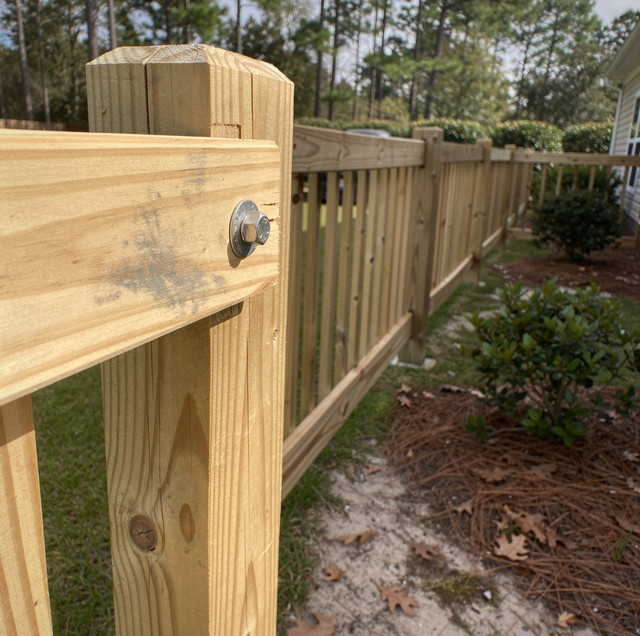
Storm-Damaged Fence? How to Read What Actually Failed
Two yards can take the same night of hard wind and end up with completely different wreckage.
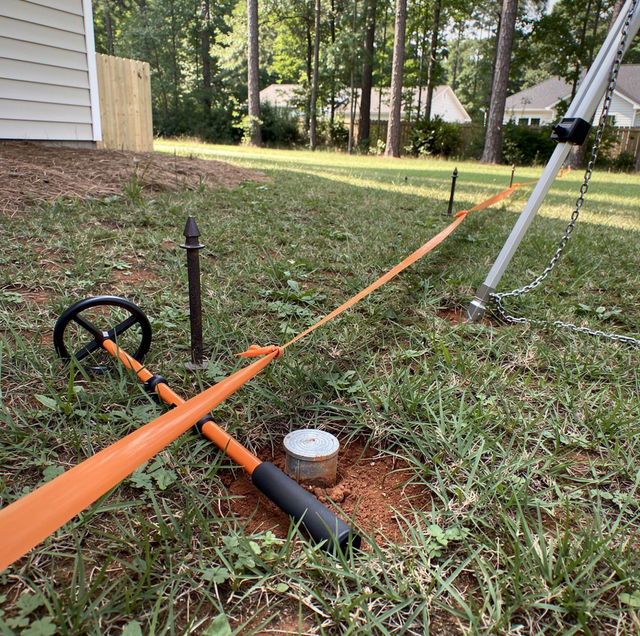
How to Find Your Property Line Before the First Post Goes In
A string line, a bag of concrete mix, and a guess at where the yard ends: that combination works fine for a garden bed, and it can be a genuine problem for a fence.
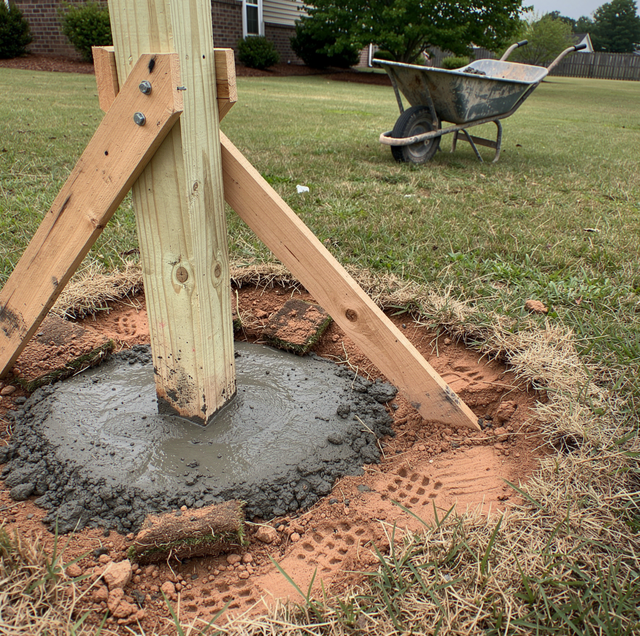
How Long Does a New Fence Installation Actually Take?
Most homeowners assume a fence installation is a single day of work: the crew arrives, the fence goes up, and the crew leaves.
Does a New Fence Actually Increase Your Fayetteville Home’s Value? (The Honest Answer)
A wood fence starts out straight and solid, but over the years, many begin to rot and lean. It's a common pattern, and it almost always traces back to one thing: moisture, concentrated where the fence meets the ground. Understanding why wood fences rot and lean — and where it starts — helps you slow the process and keep a fence standing straight longer. Here's what's going on.
Yard Prep for a New Fence: 6 Steps Before Installers Arrive
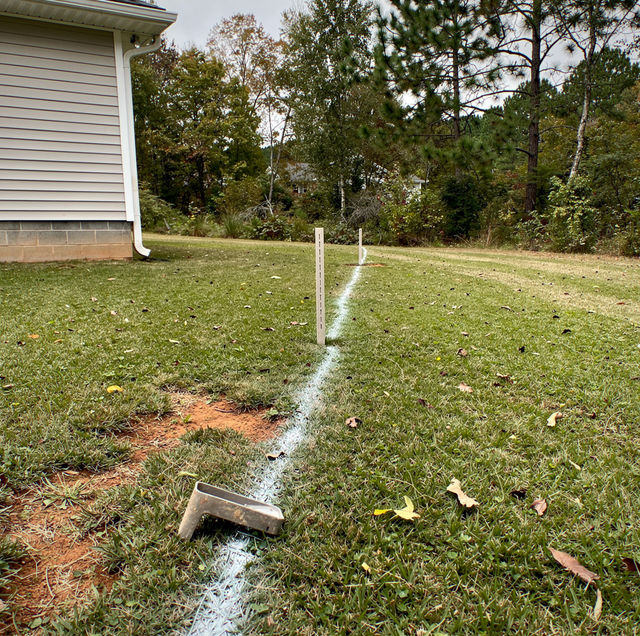
A fence crew works fastest when the yard is already telling them where to go.
How Tall Can Your Fence Legally Be in Fayetteville? (And What Most People Build)
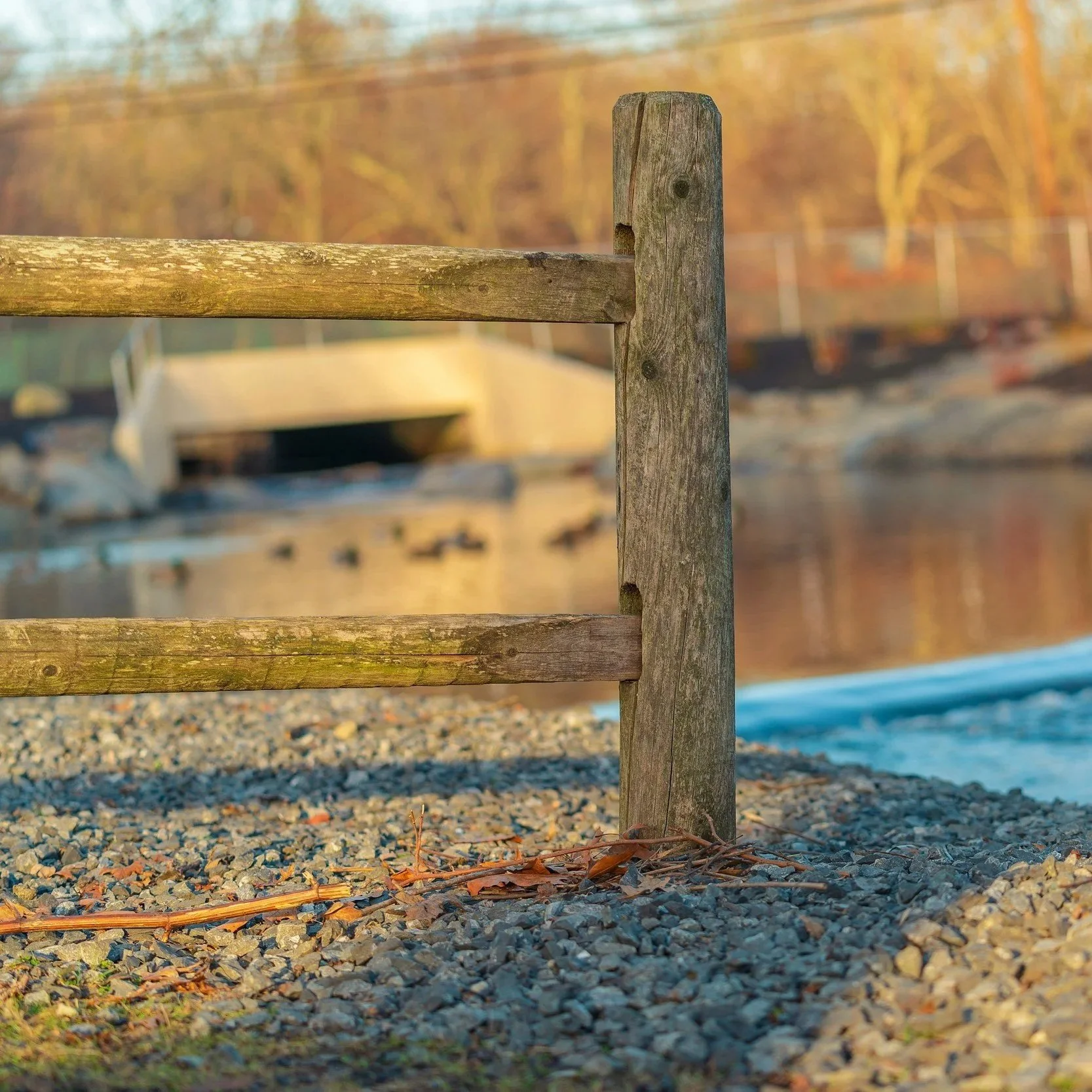
Wooden residential fence beside waterfront pathway illustrating common fence height regulations, property boundary design, and neighborhood fencing standards.
5 Signs a Fence Post Is Rotting at the Base
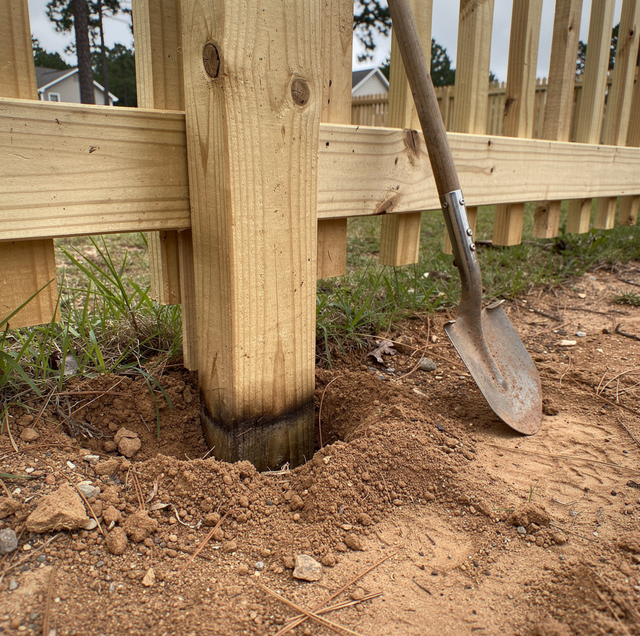
You push on a post, and it gives more than it should, or the top rail sways more than you remember from last year.
Why Wood Fences Rot 5 Years Faster in NC Than the Manufacturer Says
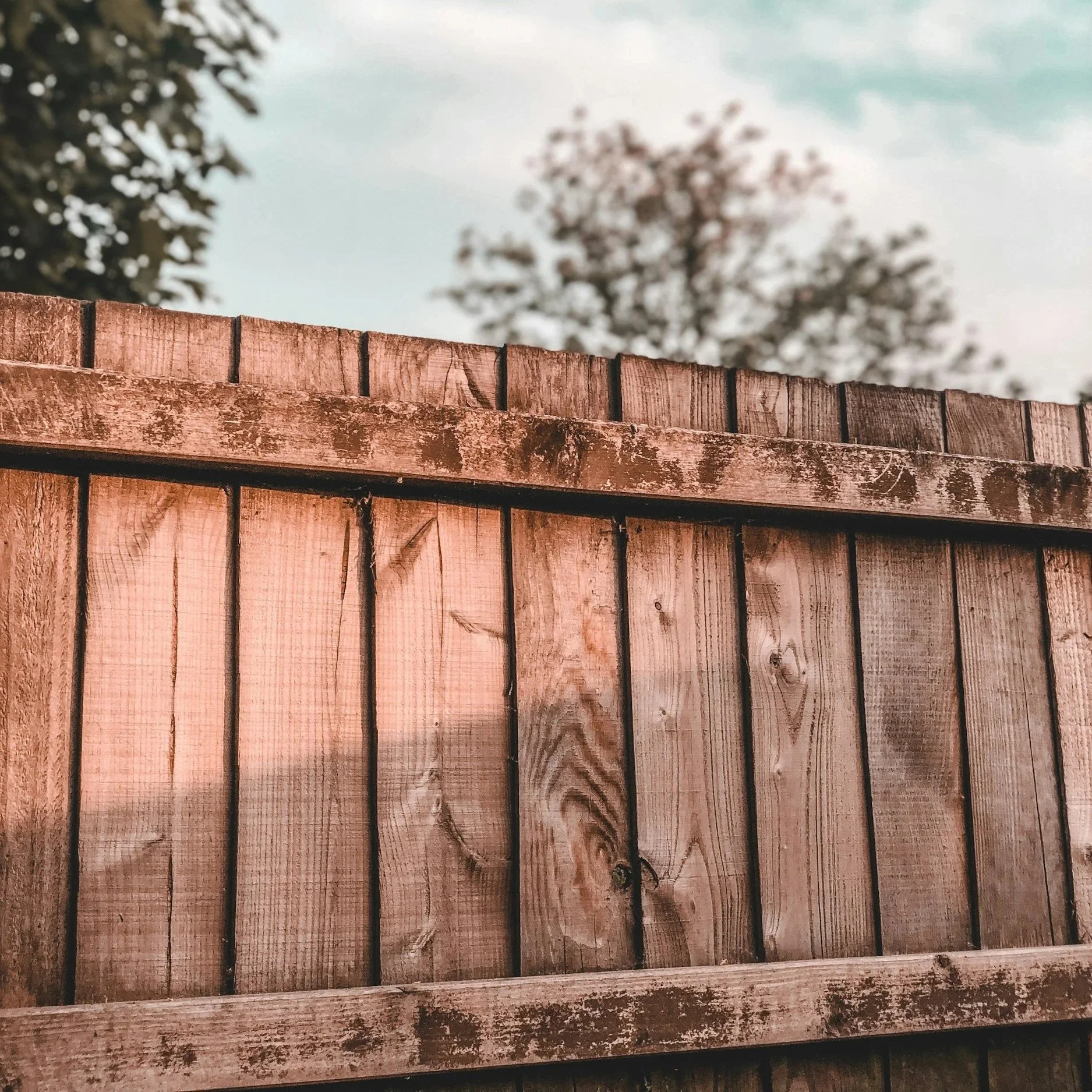
Weathered wooden privacy fence showing moisture damage caused by North Carolina humidity, accelerated wood rot, and long-term outdoor exposure.
Why Does My Wood Fence Turn Gray? The Science Explained
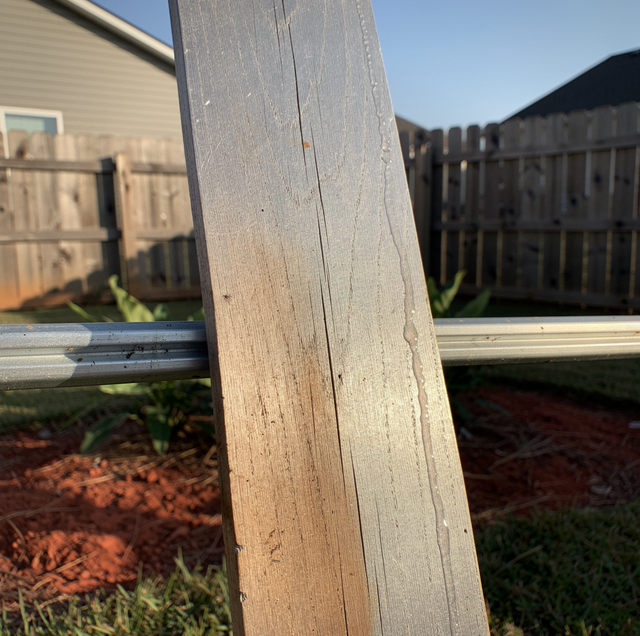
A wood fence starts out warm and golden, then slowly shifts toward a soft, silvery gray.

5 Yearly Tasks That Add 10 Years to a Wood Fence’s Life
Wooden garden fence along outdoor pathway highlighting yearly maintenance tasks that help extend fence lifespan and prevent structural deterioration.
Why Proper Post Setting Prevents Leaning Fences
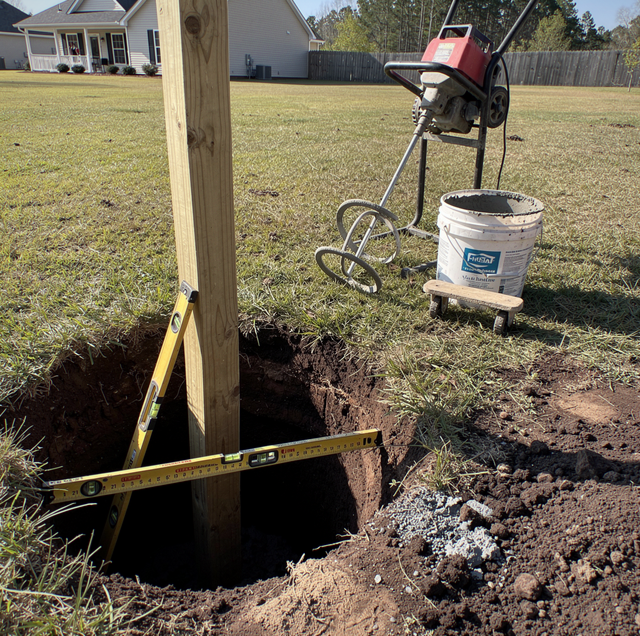
A fence stands or falls on a few feet of buried post that nobody ever sees again once the concrete cures.

Pool Fence Basics: What to Know Before You Install
A backyard pool is one of the few home features that can turn dangerous in the time it takes to answer a phone.
Vinyl vs Composite Fencing: Which Survives Sun and Storms Longer?
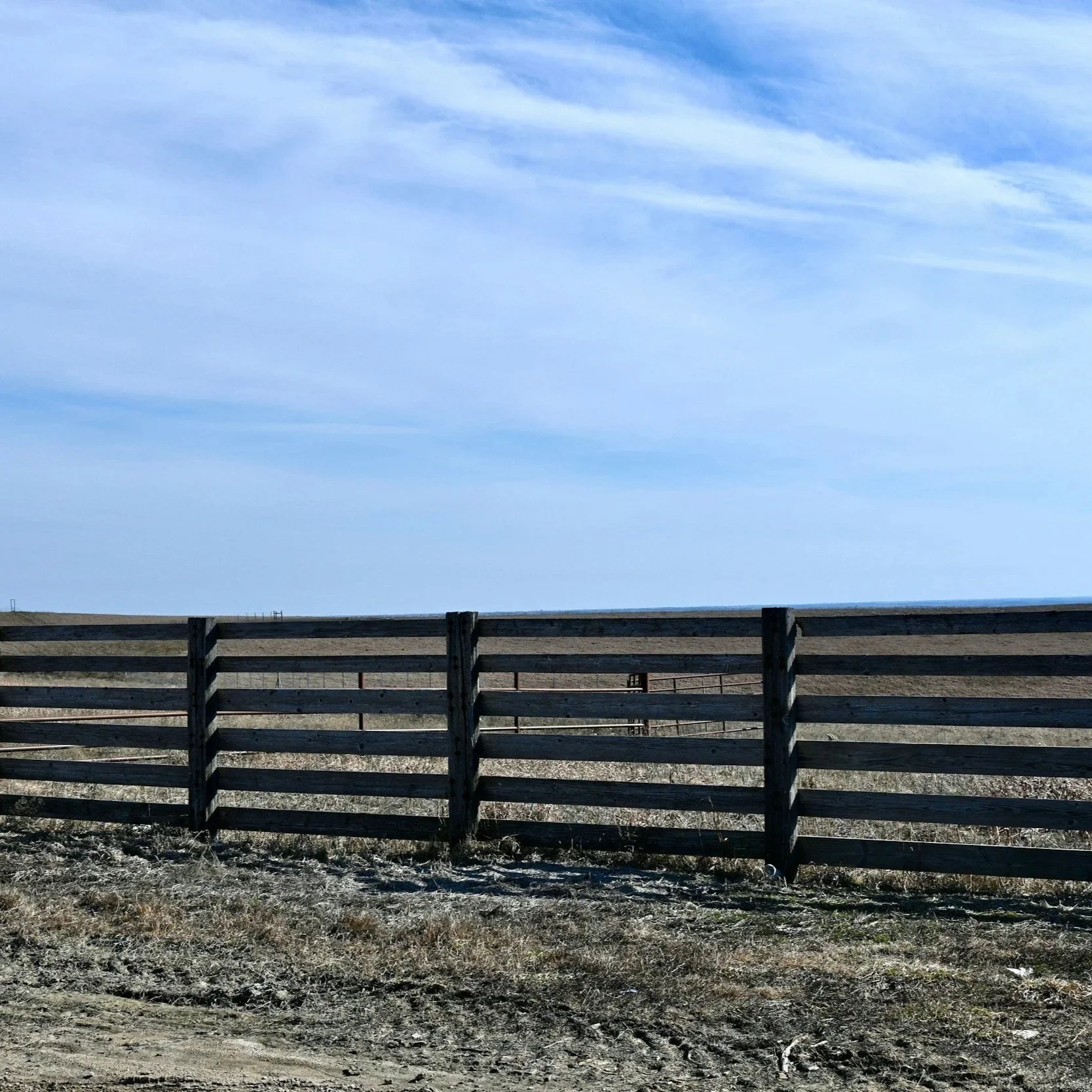
Modern horizontal privacy fence installed in open landscape highlighting durability differences between vinyl and composite fencing materials in harsh weather.
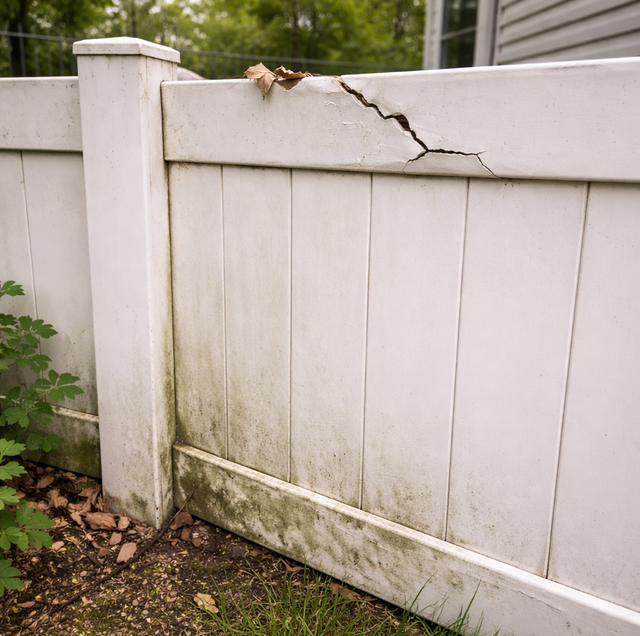
Vinyl Fence Cracking or Discoloring? The Real Causes
Vinyl fencing gets sold as the panel you install once and forget. For the most part, that holds up, but not every vinyl fence is built the same, and not every problem you see means the fence is failing.

Selling Your Fayetteville Home? 3 Fence Fixes Worth Doing First
Decorative black metal fence outside residential property highlighting valuable pre-sale fence repairs that improve curb appeal and buyer confidence.
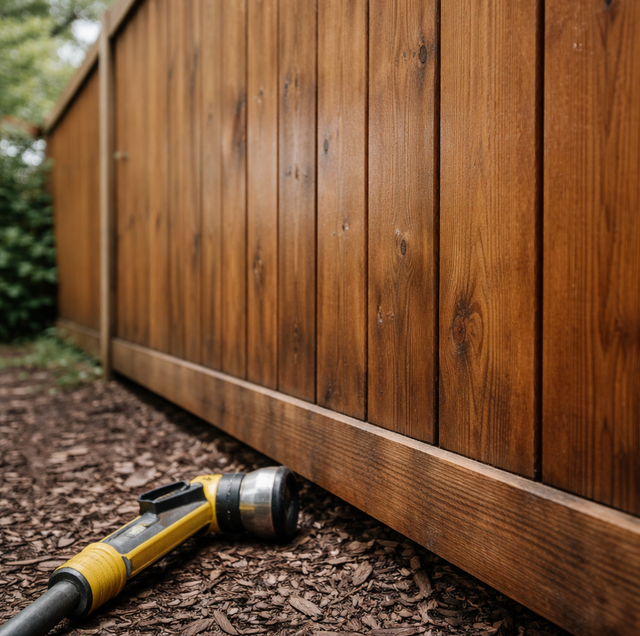
How to Stain or Seal a Wood Fence: 9 Steps That Last
Wood fencing looks solid, but under the surface it behaves like a bundle of tiny straws.

Aluminum vs Wrought Iron Fences: They Look the Same. They’re Not.
Black ornamental metal fence above landscaped hillside showcasing differences between aluminum and wrought iron fencing for residential properties and durability.
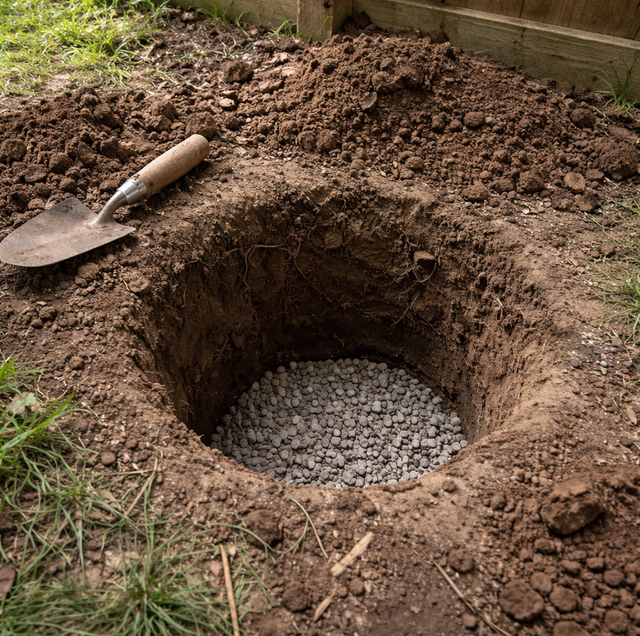
How to Set Fence Posts in Concrete That Never Lean
Every fence panel, rail, and picket hangs off a row of posts sunk into the ground.
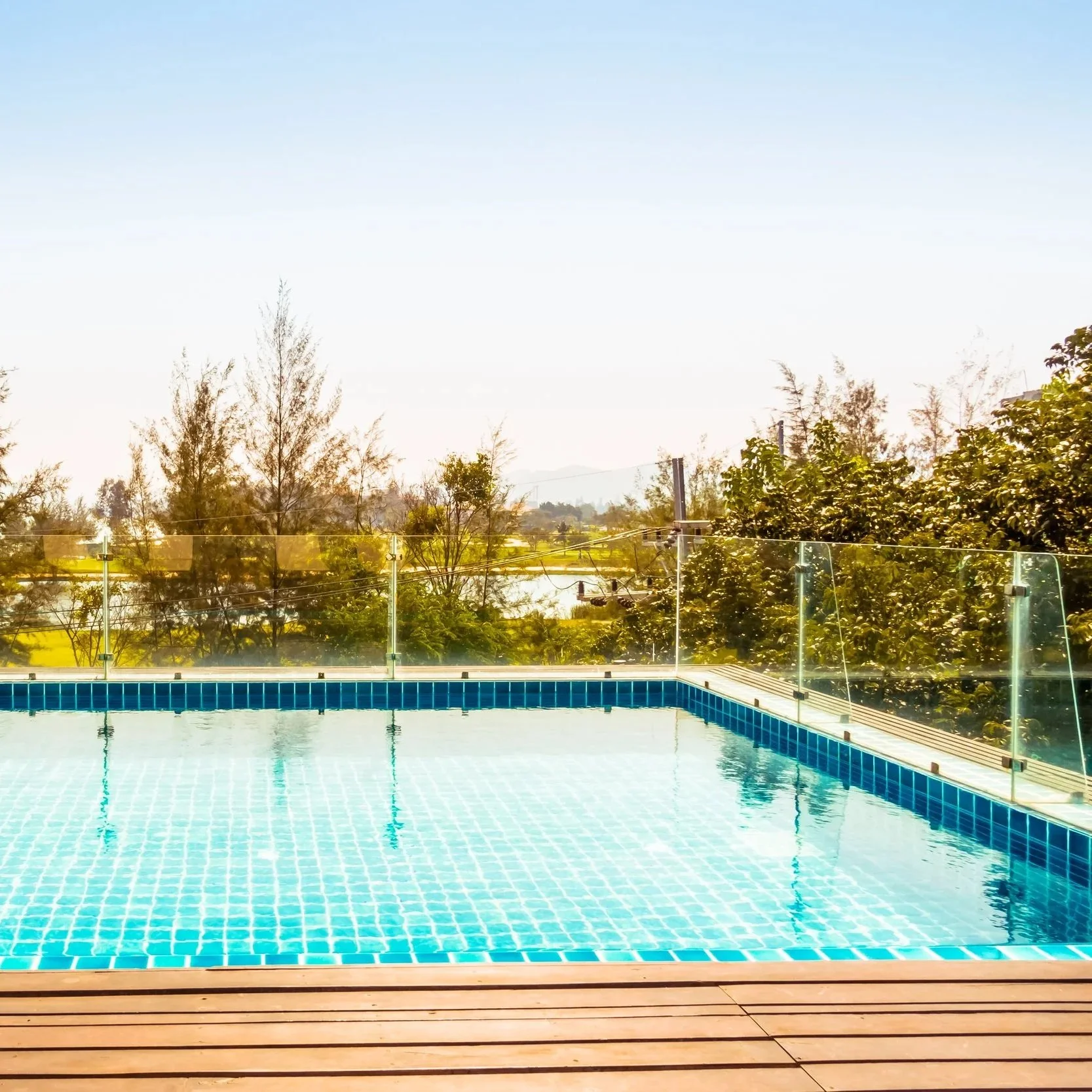
NC Pool Fence Code: 5 Rules Most Homeowners Don’t Know
Modern swimming pool surrounded by glass safety fencing highlighting North Carolina pool barrier requirements, secure access, and residential code compliance.