
Does a New Fence Actually Increase Your Fayetteville Home’s Value? (The Honest Answer)
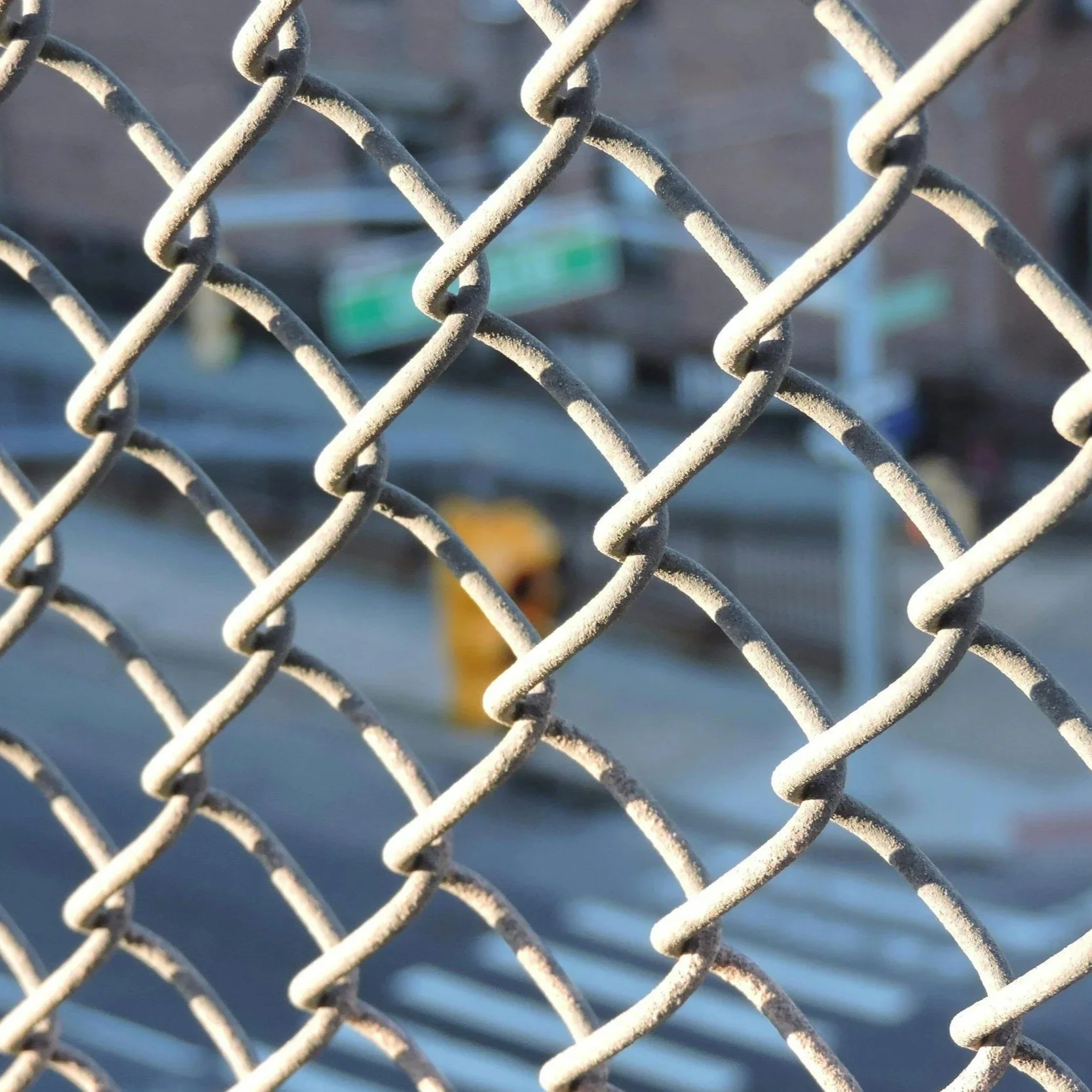
Chain-link residential fence illustrating how fencing impacts property value, backyard security, and resale appeal for Fayetteville homeowners and buyers.
If you are weighing a $3,000 to $15,000 fence install in Fayetteville, and the question driving the decision is whether the cost will come back at resale, the honest answer is “sometimes, partially, and rarely the whole way.” Your fence adds real value in some situations, partial value in many, and almost no value in a few. Understanding which scenario you are in matters more than the generic “fences add value” headline you have probably read on a real estate blog. Here is the honest math for your Fayetteville home, including the Fort Liberty rental angle that bends the numbers in this market.
The Honest Answer
A new fence in Fayetteville recovers roughly 50 to 70 percent of its cost at resale on average, depending on the fence type, the home’s price tier, and the buyer pool. Some fences pay back fully or even net positive (privacy fences in family-oriented neighborhoods, security fences near Fort Liberty rentals). Some recover almost nothing (decorative fences in the wrong neighborhoods, over-built fences for the home tier).
The honest framing: a fence is rarely a pure ROI investment. It is a high-quality investment with resale benefits in certain scenarios. If your decision hinges entirely on resale recovery, the answer is usually “do not install” or “install the cheapest functional option.” If the decision is about living in the home — privacy, pets, kids, security — the resale recovery is a bonus, not the point.
When Fences Add Real Value in Fayetteville
Three scenarios where the fence pays back at or near 100 percent of its cost.
Privacy fences in family-oriented neighborhoods. Hope Mills, Spring Lake, and the Cumberland County suburbs west of Fayetteville have buyer pools dominated by military families and growing households. Privacy fences for backyards with kids and pets are an active selling feature, and homes without them lose buyer interest at the first showing. ROI in this scenario: 70-90% of the installation cost.
Security fences near Fort Liberty for rental properties. Fayetteville has a large military rental market. Tenants prefer secured backyards, especially for off-base housing. Security or privacy fences increase rental demand and rental rates enough that the fence pays back through ongoing rent rather than at sale. ROI in this scenario: 80 to 100 percent of installation cost over 3 to 5 years of rental income, plus modest resale value.
Pool fences (required by NC code). For homes with pools, the pool fence is not optional. It is required. The cost is part of pool ownership rather than a discretionary improvement. The resale value of a pool fence is essentially the cost itself, because the alternative (no fence) is illegal.
When Fences Are Mostly Sunk Cost
Three scenarios where the fence recovers little of its cost.
Decorative fences in mid-tier or upper-tier neighborhoods. A 4-foot decorative front-yard fence on a $400,000 home rarely changes the buyer pool’s interest. The home sells based on square footage, school district, and condition, not the picket fence. ROI: 20 to 40 percent.
Over-built fences for the home tier. Installing a $15,000 wrought iron ornamental fence on a $200,000 starter home does not push the sale price up by $15,000. The cost is real; the recovery is partial. ROI: 30 to 50 percent.
Fences that are more than 12 to 15 years old at the time of sale. Even a high-quality fence that has aged (especially wood in NC humidity) is seen by buyers as a future replacement cost rather than a value-add. ROI drops to 0 to 30 percent if the fence is past its functional prime.
The Fort Liberty Rental Angle
Fayetteville’s housing market is shaped by Fort Liberty in ways that affect fence ROI more than most US markets.
Roughly 40,000 active-duty soldiers and their families live in or near the Fayetteville area, where you may be considering selling. Many of your potential buyers live off-base in rental homes and apartments. Off-base military families place a high value on privacy and yard security: partly because of pets and kids, partly because deployment cycles mean the soldier is away for months at a time, and the family wants a secure property.
For rental properties: a privacy fence increases monthly rent by $50 to $150 in many Fayetteville-area neighborhoods, and reduces vacancy days between tenants. Over a 5-year hold, the fence pays back through rent. The math works in favor of installing on rental properties even before factoring in resale recovery.
For owner-occupied homes that may sell to military families: privacy and yard security are demonstrated selling points. A decent privacy fence is closer to “expected feature” than “bonus feature” in family-oriented Fayetteville neighborhoods. Homes without one lose buyer momentum during the showing process, especially against comparable homes that have one.
Material Choice and Resale
Vinyl: Holds appearance for over 20 years. Resale value tracks the install cost minus normal aging. Buyers do not see vinyl as “luxury,” but they do see it as low-maintenance for your home, which family buyers value.
Composite: Holds appearance and reads as upscale. Pays back better than vinyl in mid-tier and upper-tier neighborhoods, on average. The wood-like appearance without the rot risk is what some buyers are paying for, and they recognize it on your showing.
Wood (cedar): Holds appearance well for 15 to 20 years if maintained, then drops sharply. Pays back if the fence is under 8 years old at sale, less if older.
Wood (pressure-treated pine): In Fayetteville’s humidity, pine fences past 10 years often show ground-line rot or fading. Buyers see them as future replacement costs they will inherit. Payback drops fast after year 8.
Aluminum: Depending on style, reads as either functional (chain-link adjacent) or upscale (ornamental aluminum). Ornamental aluminum holds resale value well; chain-link adds resale value mostly in security-driven scenarios.
Chain-link: Rarely adds resale value except in specific contexts (security, dog containment) where buyers actively want it.
How Fence Condition at Sale Time Drives Recovery
A new fence at sale time recovers more cost than a 5-year-old fence. A 10-year-old fence recovers less. The aging curve in NC humidity is steeper than in drier regions, which compresses the timing window for ROI capture.
Practical timing for your fence install if you are thinking about selling:
If your home will sell within 1 to 2 years, install only if the fence is genuinely failing or absent, and its absence will block the sale. Otherwise, the install is too close to the sale date for full recovery.
If your home will sell within 3 to 5 years, install fits the remaining ownership period. The fence is used, recovers a reasonable cost, and the timing is fine.
If your home will sell in 5 plus years, the install decision is mostly about living quality. ROI math is too uncertain to drive the decision either way.
If your fence is currently old and failing, replacing it before the sale recovers more than leaving it in place. Buyers discount for visible failure more than they pay for a new condition. Keeping a 14-year-old wood fence with rot at the post bases costs more in lost sale price than replacing it before listing.
When the Decision Is About Living, Not About ROI
Most fence decisions in Fayetteville are not really about resale. They are about living in the home.
Reasons that justify a fence beyond ROI math: pets that need secured yards, kids who play outside unsupervised, privacy from neighbors, noise reduction from streets, security in higher-crime areas, pool code compliance, and HOA requirements.
Each of these reasons is its own justification. Adding “and it might recover at resale” to your math is fine. Letting “but the resale recovery is uncertain” stop the install is the wrong frame for most homeowners.
The honest version: install the fence that fits your life now. If the timing of your eventual sale makes ROI relevant, factor it into your math. If not, do not let resale uncertainty drive the decision. The fence’s job is to do what fences do: contain pets, give kids a safe yard, block sightlines, and secure the property. Resale is a follow-on benefit that varies by scenario.
Frequently Asked Questions
How much does a new fence add to home value in Fayetteville?
A new fence typically recovers 50 to 70 percent of its cost at resale on average. The specific number depends on the fence type, the home’s price tier, the buyer pool, and the fence’s age at sale time. Privacy fences in family-oriented neighborhoods can recover 70 to 90 percent. Decorative fences on mid-tier or upper-tier homes often recover 20 to 40 percent. The recovery range is wide enough that any specific dollar promise is unreliable.
Is a privacy fence worth it for a Fayetteville rental property?
Usually yes. Fayetteville’s military rental market values privacy and yard security highly. A privacy fence increases monthly rent by $50 to $150 in many neighborhoods and reduces vacancy days between tenants. Over a 5-year hold, the fence pays back through rent. Add the resale recovery on top of that, and rental properties in Fayetteville often see fence ROI well above 100 percent of installation cost.
Does a wood fence add as much value as a vinyl or composite fence?
Not on average, especially as the fence ages past year 8. In NC, wood ages faster than vinyl or composite, and buyers see aged wood as a future replacement cost. New wood fences (under 5 years old at the time of sale) recover similar percentages to vinyl. Older wood fences recover noticeably less. Cedar holds value better than pressure-treated pine.
Should I install a fence before selling my Fayetteville home?
Depends on whether the home currently has a fence and its condition. If the home has no fence and the buyer pool expects one (family-oriented neighborhoods, military rentals), installing before listing recovers a reasonable cost. If the existing fence is old and visibly failing, replacing it before listing recovers more than leaving it in place. If the existing fence is in decent condition, do not install a new one solely for resale.
Does a chain-link fence hurt or help home value?
Mixed. Chain-link helps in specific scenarios: security-driven properties, dog containment for buyers with pets, and commercial-adjacent residential lots. It rarely helps in standard family-oriented neighborhoods, where it is sometimes seen as a downgrade compared to vinyl, wood, or aluminum. Chain-link rarely actively hurts value, but it adds less than other materials in most contexts.
How does Fort Liberty affect fence resale value in Fayetteville?
Fort Liberty’s military presence creates a steady buyer pool of families who specifically value privacy and yard security for pets, kids, and the realities of deployment cycles. Homes that fit this buyer pool (single-family in suburbs west of Fayetteville, properties with backyards suitable for fencing) see a higher fence ROI than the national average because the demand for fenced properties is consistent. The effect is most evident in rental properties (where rent premiums for privacy fences are documented) and in family-home sales (where fence presence shapes buyer interest).
A fence in Fayetteville is not a financial play. It is a living investment with partial financial recovery. Install for the reason that fits your life, factor in the partial recovery if you plan to sell within a reasonable window, and skip the install if neither living quality nor resale timing justifies it. The honest answer is more useful than the “fences add value” headline you have probably read.
Weighing whether a new fence makes sense for your Fayetteville home — for living, for resale, or for rental income? The Fayetteville Fence Company LLC offers free estimates with material and design guidance specific to Cumberland County buyer pools. Call (910) 994-3634.
